Showing posts with label pet portrait. Show all posts

Friday, August 24, 2012

Great Cat Art

It's time for another art feature! Since this is cat week, today's focus is great cat art! Enjoy!

Title Unknown (Cats in Snow) by Louis Wain (cat painting)
Title Unknown (Cats in Snow)- Louis Wain


Bartholomew by Geoff Tristram (cat painting)
Bartholomew- Geoff Tristram


Title Unknown (Cat in Snow) by Makoto Muramatsu (cat painting)
Title Unknown (Cat in Snow)- Makoto Muramatsu


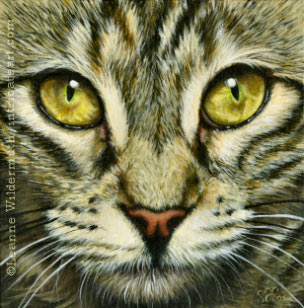
Noodle by Leanne Wildermuth (cat painting)


Title Unknown (Vintage Victorian Cats) by Wilson Hepple (cat painting)
Title Unknown (Vintage Victorian Cats)- Wilson Hepple

Friday, July 27, 2012

Great Dog Art

Now that I've covered how to draw animals, how to draw dogs (Part 1, Part 2), and listed 10 great dog art tutorials I found, I'm going to end this dog themed week with some inspirational images. Some of these artists are classical dog drawing masters, while others are living artists. Make sure to follow the link on any images you like to see what else the artist has to offer. Enjoy!

Beagle Painting 

Dog Painting

Dog and Child Painting

Dog Painting

Dog Drawing

Dog Painting

Dog and Child Painting

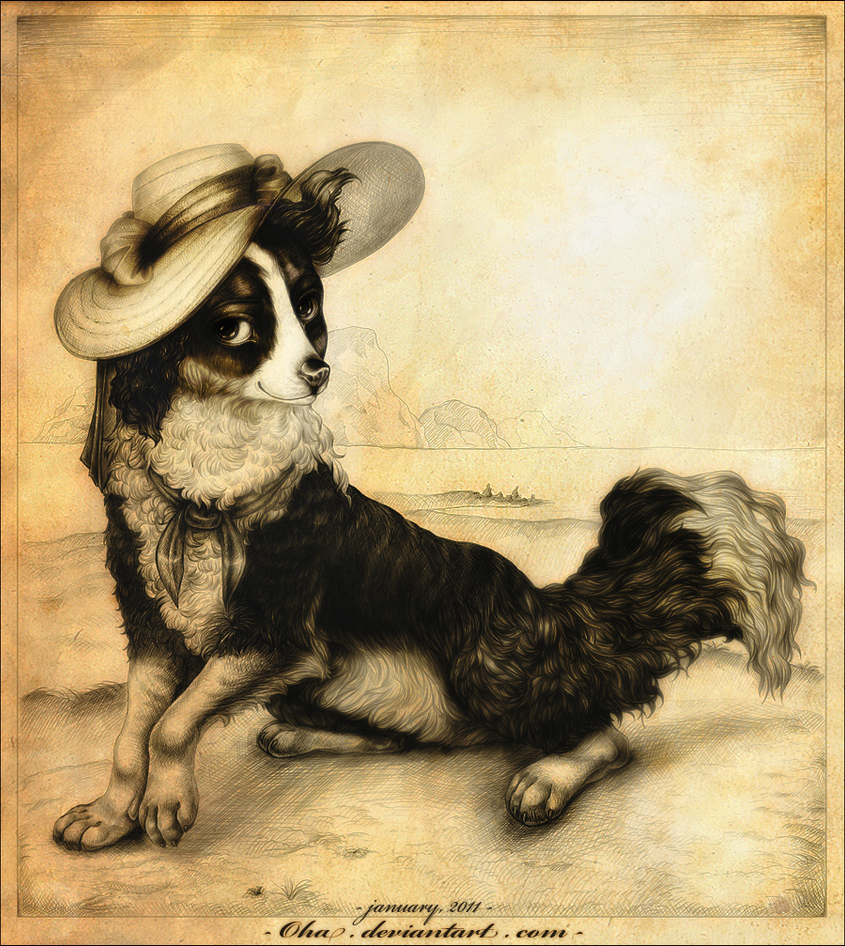
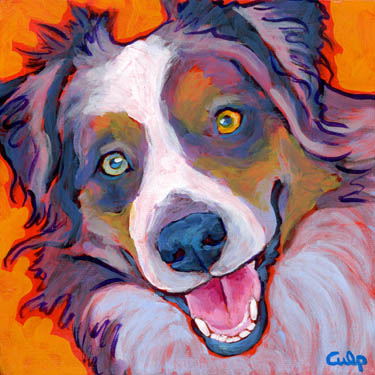
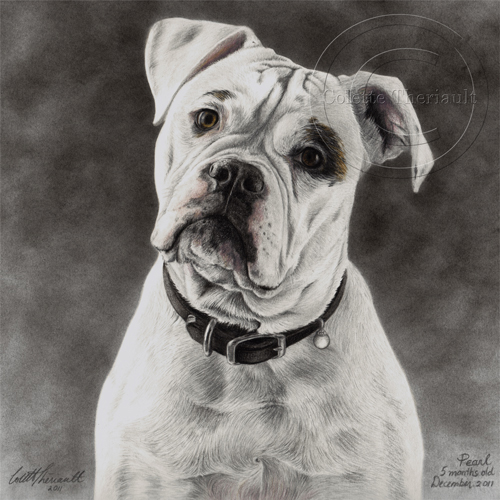
Pet Portrait Dog Painting

Pet Portrait Dog Drawing

Pet Portrait Dog Art


So I hope this was inspirational! There are tons of other great dog artists out there, so I may have to do a post like this again someday. Until then, you can always follow my Pinterest board "Inspiring Images" where I pin all the great art I come across.

Until next time!

Thursday, July 26, 2012

How to Draw Dogs: The Best of the Internet

Now that I've given my own tips on how to draw dogs in my two part tutorial (Part 1, Part 2) and my tips on how to draw animals, let's take a look at what other people have to say on the subject of making dog art. I've always found that the best way to learn how to do something artistic, aside from practice, is get various perspectives on the subject. However, it can be hard to find any good tutorials that go beyond simple how-tos for kids, which is why I hope this list will be helpful. If there are any good ones you think I've left out, feel free to leave a comment linking to them!

How to Draw a Dog

The Best How to Draw Dogs Tutorials

Please note that in general I don't suggest using tutorials that just teach you how to draw one type of dog in one type of pose, which is why you won't find any here. These can be helpful (and fun) when you're starting out, but you're soon going to want to draw a different dog in a different pose. The only way to learn how to do that is to learn at least some basic anatomy and practice from photos or life (this is how I learned). Step by step how-tos will only take you just so far. I also don't suggest using the grid system, unless you plan on only ever doing pet portraits. It's a very helpful system, but doesn't teach you much about anatomy, which can restrict you later if you want to do any imaginative art.

  1. Canine Anatomy Tutorial- This tutorial by Photografever gives a great introduction to canine anatomy and how to use it in relation to posing, without any major skeleton or muscle study required.
  2. How to Draw and Shade a Dog Sketch- Shows how to use a phot reference, and gives a short discussion how to see form with light and shadow and how to add fur texture.
  3. How to Draw Mammal Legs- A great tutorial by Elruu that explains the do's and dont's of posing animal (mainly canine) legs.
  4. Dog Pose Tutorial- A great guide to dog body language and expressions by SleepingDeadGirl.
  5. Canine Ear Variations- Dalmatianluver drew some great dog ear references, showcasing the many different types from different angles.
  6. Fur Tutorial (Traditional Art) (Digital Art)- Two different tutorials about how to draw fur, since I didn't cover it. These are very detailed and helpful (I've used both).
  7. Basic Animal Anatomy- by Majnouna. There's a canine in the third row, but I suggest you read everything because there is some great information in this guide.
  8. Dog Teeth Tutorial- This tutorial by WolfPearl goes very in depth into things regarding dog teeth. This is a good read if you're studying dog anatomy seriously.
  9. Canine Hind Paw and Forepaw Studies- These aren't exactly tutorials, but if you're wondering what type of art to make when studying dog anatomy, these studies by ArnaThornwolf are great examples. They also are great references of different paw angles and poses.
  10. Canine Anatomy Illustrations- I linked to this collection in my tutorials, but it's so helpful that I'm putting it here, too. This isn't a tutorial, but it is my main guide to animal anatomy (canine anatomy begins on the page with images 37-48; "der hund" = the dog). Using this can save you the money you'd normally have to put into buying a decent animal anatomy book. And seeing as how this came from a veterinary anatomy book, you can be sure all the illustrations are scientifically accurate.

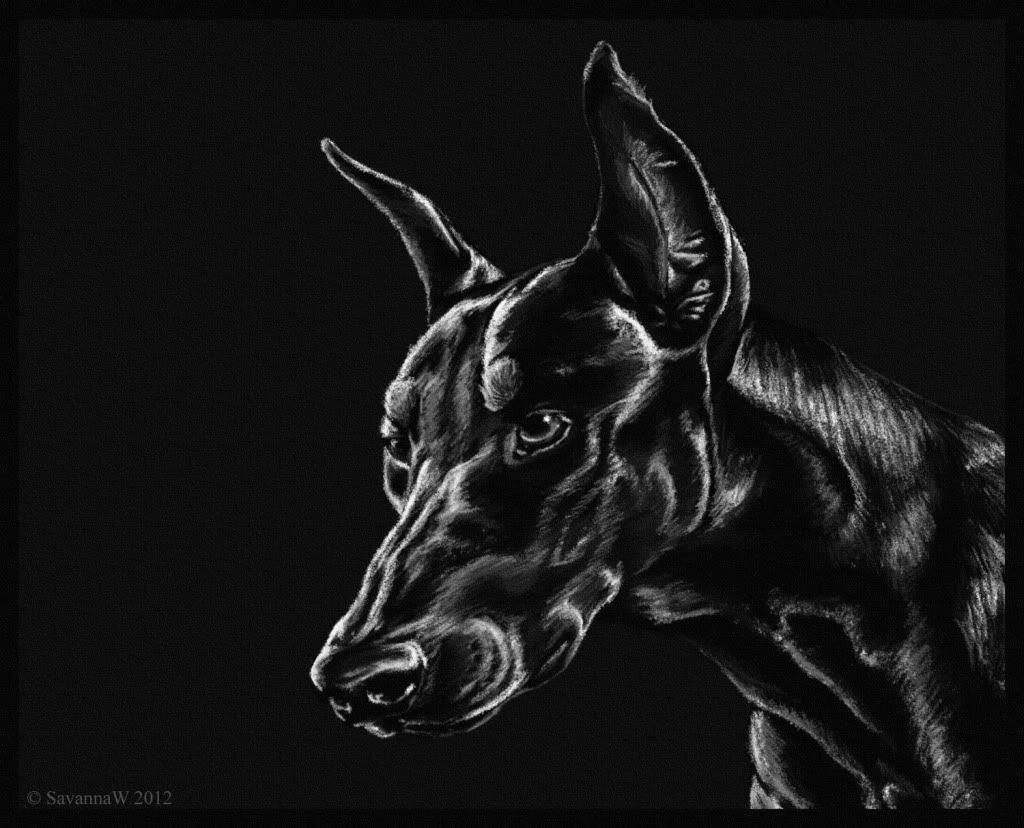
Doberman Digital Artwork
An example of dog art from my portfolio

If you have a tutorial you think I should add, leave a link in the comments and I'll take a look at it. And if you're in need of any dog drawing inspiration, in my next post I'm going to show you tons of great dog art (and great dog artists).

Until next time!

Wednesday, July 25, 2012

How to Draw Dogs: Faces and Bodies

Since this week's theme is dogs, yesterday I covered how to draw dog paws, eyes, and noses, and today I'm going to discuss their faces and bodies. If you are wondering how to get started drawing animals, check out my how to draw animals tutorial. It has videos and a ten step guide for animal drawing.

If you're a new artist, or just want to find some fun new tools or programs to work with, check out my traditional art supply and digital art program recommendations. So, let's get started!

How to Draw Dogs Pt. 2: Face and Bodies

Art Type: Traditional or Digital
I'm Using: MyPaint and an Intuos 4

In this last part of this dog drawing tutorial, I'm going to give you something to put those paws, eyes, and noses on. Just as those details vary in shape, so do dog faces and bodies, but to an even greater extent. Let's start with their faces.

Dog Skull Anatomy
Dog Skull Anatomy

Just as I suggested you study the anatomy behind the dog's paw, I suggest you also study the anatomy of the dog's head. Drawing skulls isn't a morbid activity at all. I find it to be extremely helpful. While I'm limited to photos I find online, you can always buy a fake or real skull that you can turn to draw from all conceivable angles. Let's take a look at some dog faces I drew from photos, keeping in mind the underlying structure.

How to Draw Dog Faces

Something you'll probably notice right away is how varied the faces are. Some dogs have pointier faces, some have rounded faces, and other's faces are more square. Also, some have long muzzles, some have short muzzles, and some have practically no muzzle. Long nosed dogs (like the Greyhound) have what is called dolichocephalic skulls. Medium length muzzles (like those on the Pointer) are called mesocephalic. Compressed muzzles (like the muzzle of a Boxer) are called brachycephalic, and really compressed muzzles (like on a Pug) are called extreme brachycephalic. The terms don't really matter, what matters is how these skull shapes make dogs look different.

How to Draw Dog Bodies

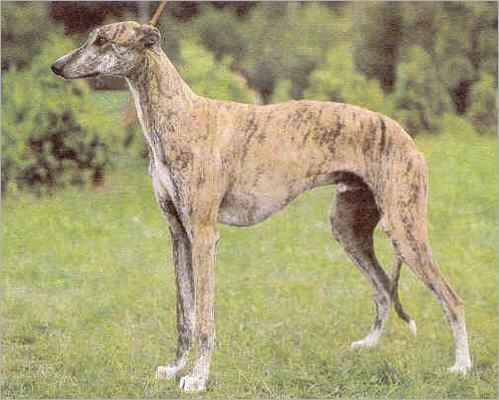
Dogs also have very different looking body shapes. And by different, I don't mean just the obvious difference between a Labrador and a Dachshund (though the positioning of Dachshund's legs is very interesting). I'm talking about the more subtle differences as well. Look at these dogs I blocked out and notice some interesting things: #1- Some dogs, like Greyhounds, have deeper chests. This has to do with running and endurance. #2- Some dogs have broader chests. Some breeds, like Bulldogs, are naturally barrel-chested, while some breeders breed dogs like that to make them look tougher. #3- Some dogs have thicker limbs, while other dogs are skinnier. #4- Some dogs are longer than they are tall (the Dachshund isn't the only one, another example is the Cesky Terrier).

Greyhound Dog
Greyhound

Cesky Terrier
Cesky Terrier

By paying attention to all of this, you will be able to replicate dog photos better, and design more interesting dog characters. That's what I think is so great about dogs: they are all so different. You could even play on the differences in their temperaments. Dogs vary from sweet, laid-back, aloof, protective, selfish, etc. Ask any dog owner, and they will give you a list of human-sounding traits that they (probably very accurately) attribute to their dog. Incorporating some personality traits like those into your work will help make your dog art come alive and make you stand out from all the other pet portraitists and dog artists out there.

Reccomended Reading: The New Encyclopedia of the Dog is the reference I've used for all the drawings I made for this two-part tutorial. It's not a drawing book, but it's my go-to reference for all things dog. But you're probably wondering, can't I just Google dogs and get my references and discover fun breeds? Well, you can. But I find that when I Google I tend to get distracted, especially by cute puppy pictures. With this book I can get right to work, and don't have to search around trying to find a proper face angle reference. On top of that, it's easy to flip through it to find interesting new breeds. Lots of people draw Huskies. But how many draw Peruvian Inca Orchid dogs? This book can help you become a more unique dog artist.

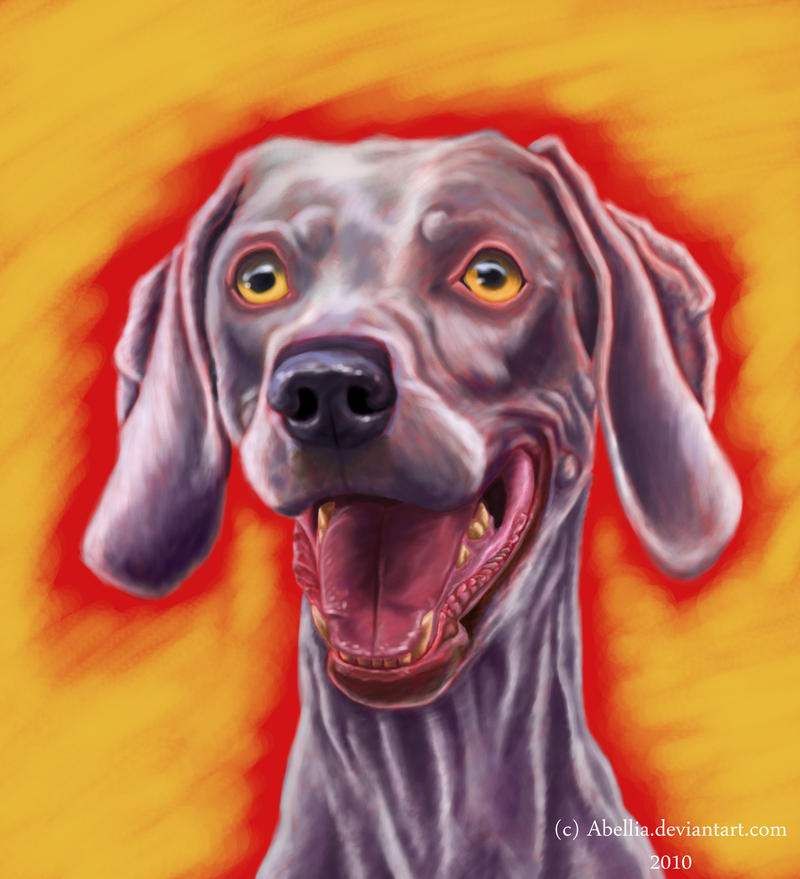
Weimaraner Digital Painting
A good example of lively dog art, from my old deviantART account

In my next post I'm going to list some good dog drawing tutorials that I've found throughout my searches of the Internet. They may go more in depth into some of the things I covered here.

Until next time!

Tuesday, July 24, 2012

How to Draw Dogs: Paws, Eyes, and Noses

Since I've now gone over how to draw animals in general, I'm going to go more in depth into how to draw some of them. This week's theme is dogs.

This post (and the next) won't have as much commentary, because I explained how to draw animals in my last post. This post builds upon that one, pointing out some specific things to be aware of when drawing dogs.

If you're a new artist, or just want to find some fun new tools or programs to work with, check out my traditional art supply and digital art program recommendations. So, let's get started!

How to Draw Dogs Pt. 1: Paws, Eyes, and Noses

Art Type: Traditional or Digital
I'm Using: MyPaint and an Intuos 4

Today I'm going to cover some more detailed aspects of dogs: their paws, eyes, and noses. Just because these are smaller details doesn't mean that they are insignificant. People love dogs' cute noses, big paws, and sympathetic eyes, and if you can draw them well, you'll increase the appeal of your dog art.

Dog Paw Anatomy

To understand dog paws better, you really should take a look at the underlying anatomy. I once spent a full week just drawing dog skeletons and skeletons with muscle, and it helped me tons. I now understand more of the little things, like why dogs' bodies have some of the angles and insets that they do. In particular, I learned how paws are set up, which allows me to place the joints and nails more accurately.

Dog Paw and Leg Anatomy

Let's take a look at some paws that I drew (blocking on the left, finished sketch on the right). Here are some things to keep in mind: #1- Paws are different shapes. Some are long and flat, some are compact and taller. This will vary depending on what the breed was created to do. Back feet tend to be smaller/more compact than front feet. #2- Claws are short nails, of which the middle two point inwards. Don't make them too long or pointy. Dogs' nails tend to be kept clipped in order to give them better traction on hardwood floors. #3- The way a dog's foot looks when he's standing is somewhat different from when he's lying down. Notice how the paw toward the bottom of the sketch page looks curled in more when in the lying pose. This is the result of muscles.

How to Draw Dog Paws


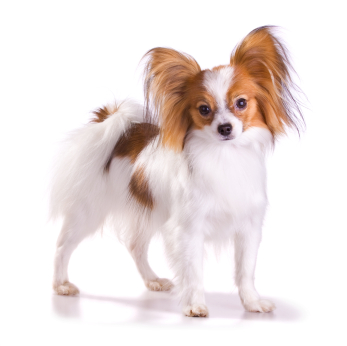
Now let's look at some noses. Dog noses tend to be universal in shape, though they may vary in width and nostril size. They can also vary a bit in color. Look at the nose of a Papillon versus that of a Chesapeake Bay Retriever . Same shape, different colors.

Papillon
Papillon (black nose)

Chesapeake Bay Retriever
Chesapeake Bay Retriever (brown nose)


How to Draw Dog Eyes


Lastly, take a look at the eyes of some dogs (sketches above). These vary a lot and will change what you first think of a dog. Big round eyes make you think they're big sweethearts, slanted eyes make them look more intelligent, and squarer eyes make them look slower and sleepier. Eye color also varies. You'll have a different reaction to a dog with dark brown eyes than to one with shocking blue eyes. If you're designing a dog character, these are important things to keep in mind.

Different Colored Dog Eyes

Reccomended Reading: The New Encyclopedia of the Dog is the reference I've used for all the drawings I made for this two-part tutorial. It's not a drawing book, but it's my go-to reference for all things dog. But you're probably wondering, can't I just Google dogs and get my references and discover fun breeds? Well, you can. But I find that when I Google I tend to get distracted, especially by cute puppy pictures. With this book I can get right to work, and don't have to search around trying to find a proper face angle reference. On top of that, it's easy to flip through it to find interesting new breeds. Lots of people draw Huskies. But how many draw Peruvian Inca Orchid dogs? This book can help you become a more unique dog artist.

Peruvian Inca Orchid Dog

Next time I'll discuss dog's faces and bodies, so you'll be able to apply what you learned about these details. In the meantime, search for more dog pictures, and see if you can notice the subtle differences in eye and paw shapes. You might also want to see if you can apply what you've learned to dog ears. Up ears can be simplified down to simple triangles, but they have so many interesting shapes that they can be very fun to draw realistically. The same goes for floppy ears. Take a look at some photos and find some fun shapes. Then try to capture those shapes in your drawings.

Until next time!